NEUROXIM
Preparing your page
Please wait a moment.
The page is loading
NEUROXIM
Please wait a moment.
The page is loading
NEUROXIM
Please wait a moment.
The page is loading
First we map the brain. Then, if needed, training begins.
Request a consultA clear picture of your brain's working patterns
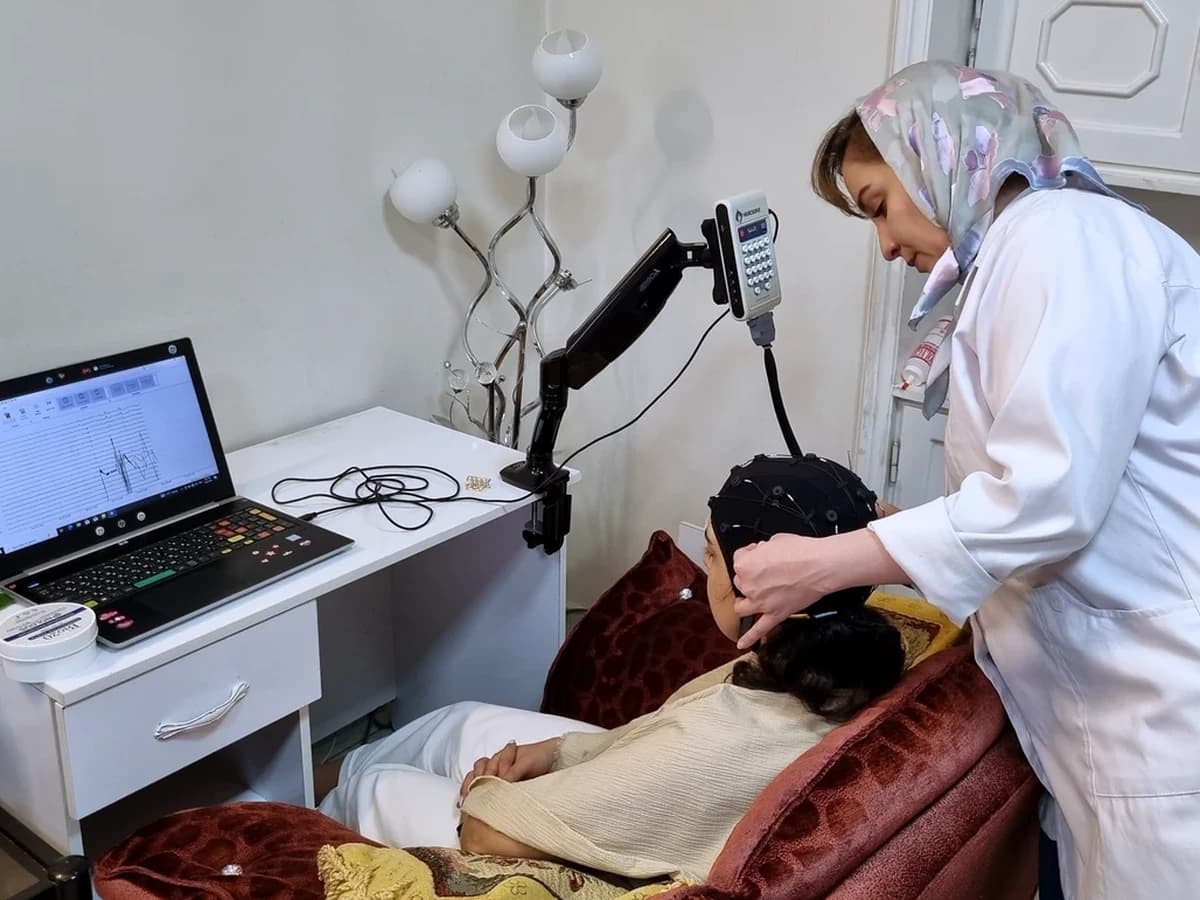
The QEEG records your brain's electrical activity at rest and during tasks. The result is a clear picture of your working patterns. It shows which areas are over-active, which are under-active, and how well they coordinate.
This assessment is where our work starts. Without an accurate picture of your brain's baseline, every protocol is guesswork.
Brain training for steadier patterns
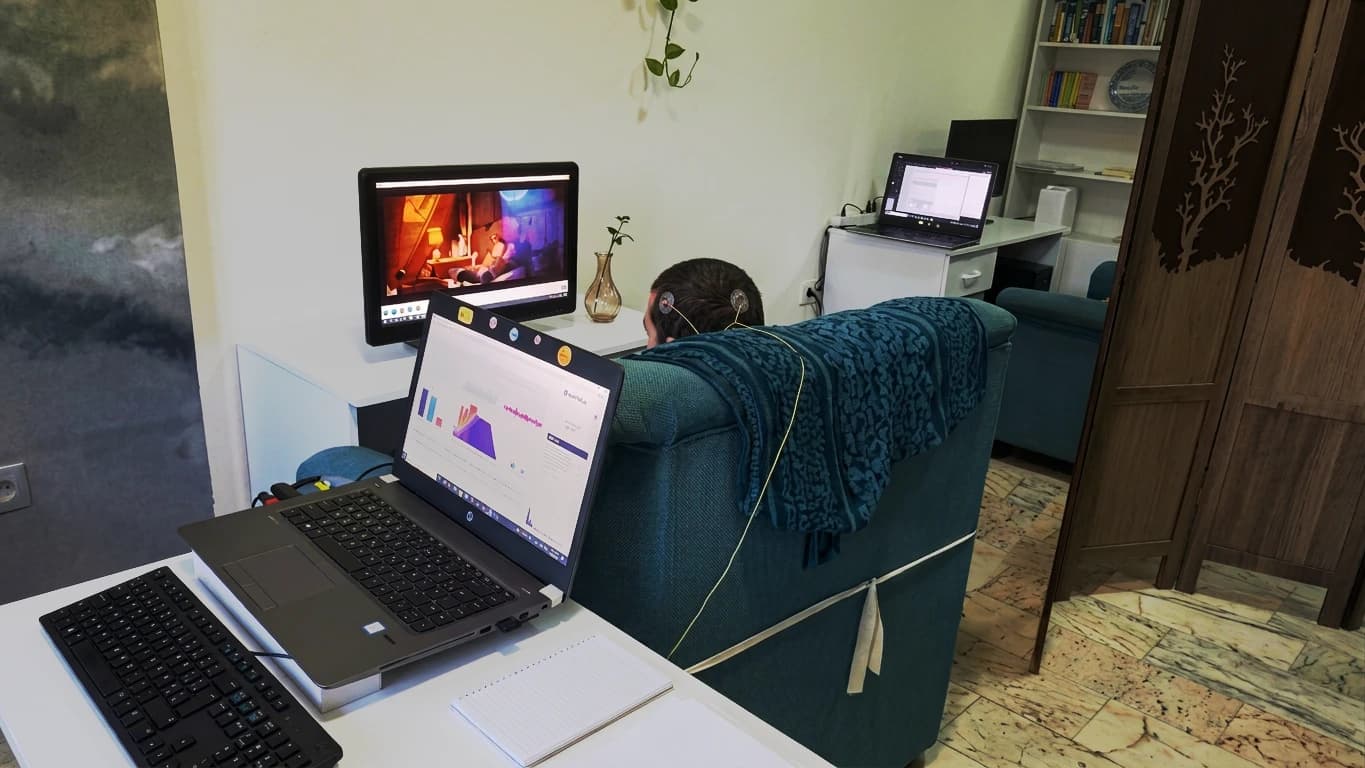
In a neurofeedback session, your brain activity is measured moment by moment. The result is fed back to you as picture or sound. Each time your brain produces the target pattern, it gets positive feedback. Gradually the pattern becomes easier to repeat.
This is exercise, not intervention. Our role is to map the learning path and accompany you along it. The learning itself is done by your brain.
Advanced neurofeedback with 3D brain-activity analysis
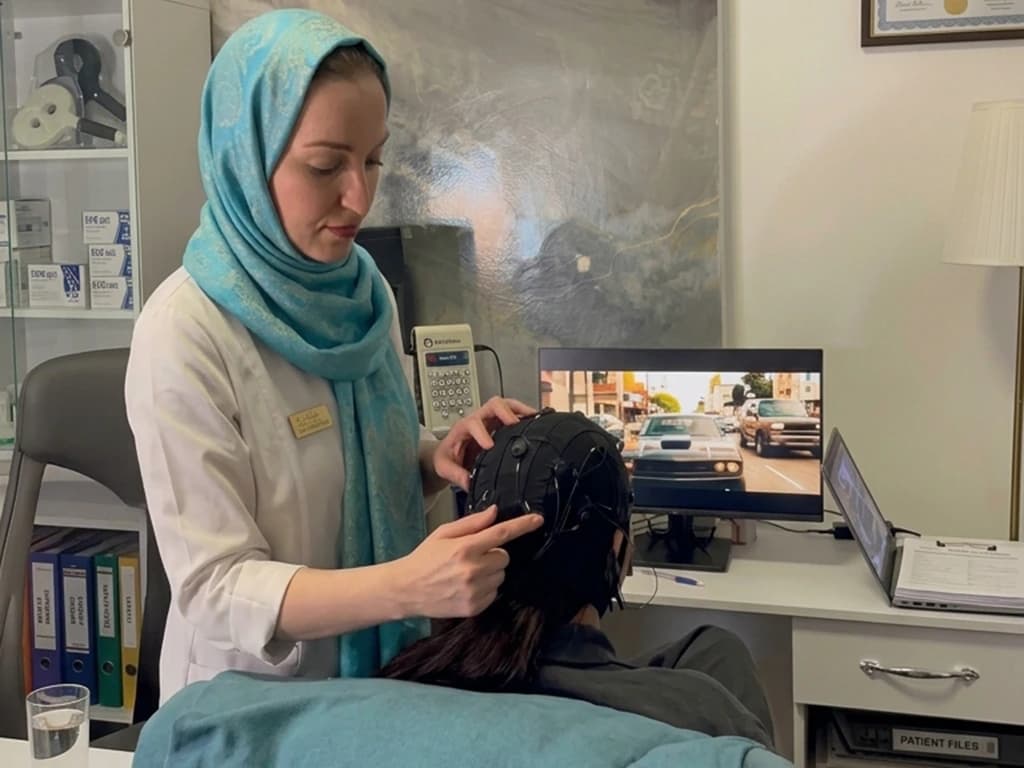
Standard neurofeedback works at the scalp surface; LORETA neurofeedback goes one step further. Using 3D modelling, it estimates the source of electrical activity deep inside the brain, making it possible to train deeper brain networks; still without medication, without surgery and without pain. At Neuroxim, LORETA targeting is based on your own QEEG brain map: the areas indicated by the assessment are the ones trained, and progress is reviewed at set intervals.
Regulating brain activity without surgery
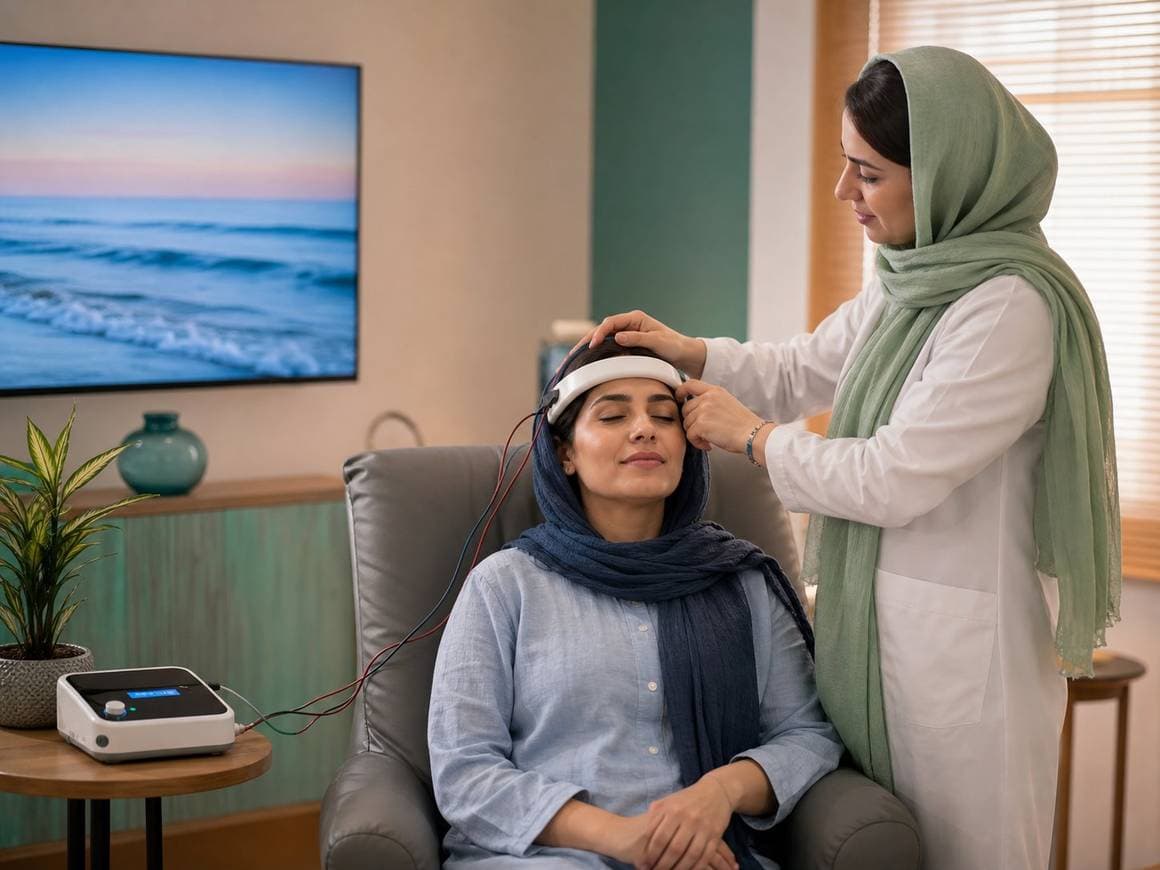
Non-invasive brain stimulation is a family of low-risk techniques such as tDCS, tACS and CES, where a very weak electrical current is applied to specific areas of the head; no surgery, no medication, no pain. The goal is to help regulate the activity of involved areas so the ground for brain training becomes smoother. At Neuroxim, stimulation is never considered a stand-alone treatment; it is only used in specific cases, always alongside neurofeedback, guided by the findings of the brain map, and only after assessment and a transparent shared decision.
| Feature | QEEG brain map | Neurofeedback | LORETA | Stimulation (tES) |
|---|---|---|---|---|
| 19-channel EEG recording with spectral analysis | Yes | No | Yes | No |
| Real-time visual and auditory feedback | No | Yes | Yes | No |
| Targeting deep brain structures | No | No | Yes | No |
| Cortical electrical-current modulation | No | No | No | Yes |
| Medication-free | Yes | Yes | Yes | Yes |
| Guided by the brain map and clinical supervision | Yes | Yes | Yes | Yes |
The assessment may show this method is not right for you. We will say so plainly.
Book Free ConsultationWhen holding attention on one task hurts more than it should.

When the brain will not shut down at night and stays switched on.

When the body’s alarm system runs louder than it needs to.

For those with no specific problem who want to stay steadier under pressure.

These services complement medical care and do not replace diagnosis, medication or specialised treatment. If you are under treatment, discuss the topic with your doctor before starting.
Short answers to the five questions we hear most.
Just tell us what feels hard. We pick the right path together, after the assessment.
Free Initial Consultation · Clinical Evaluation · Effective Training