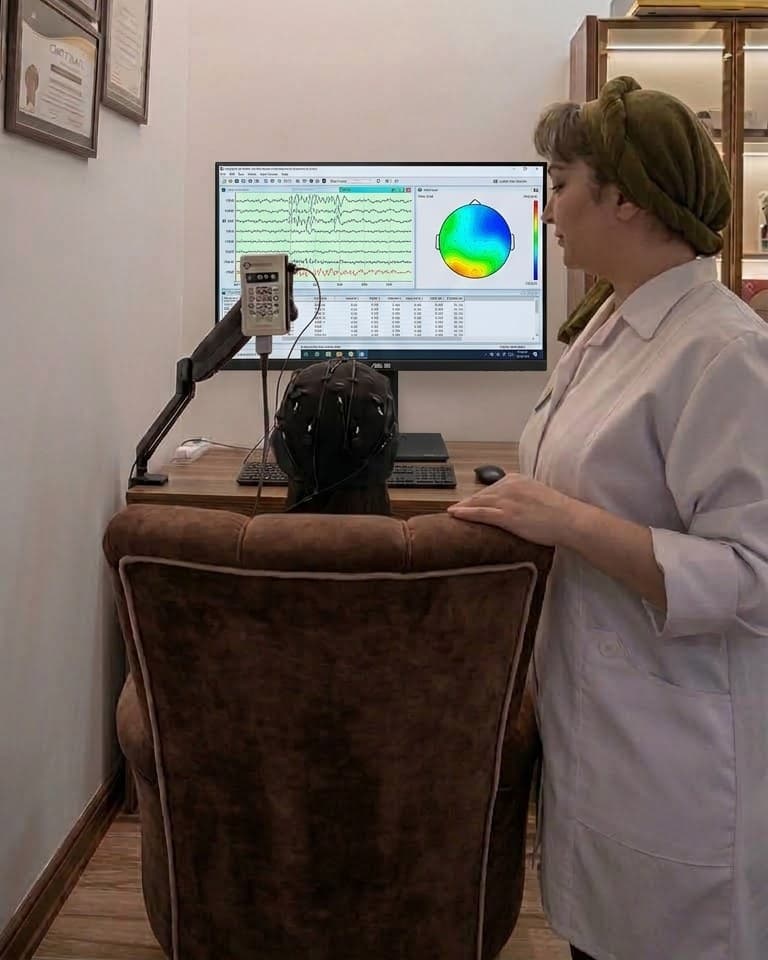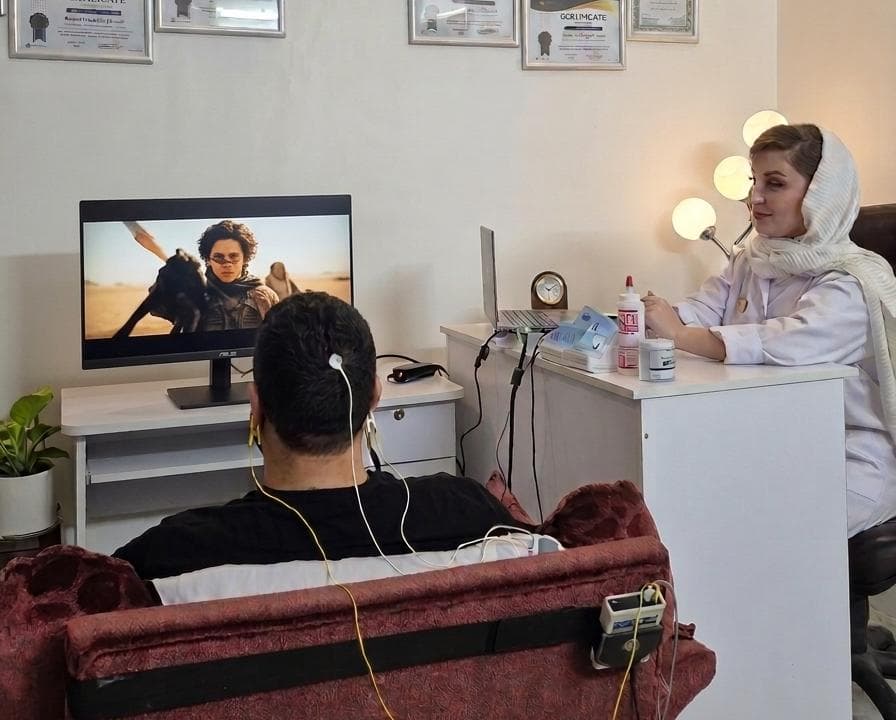
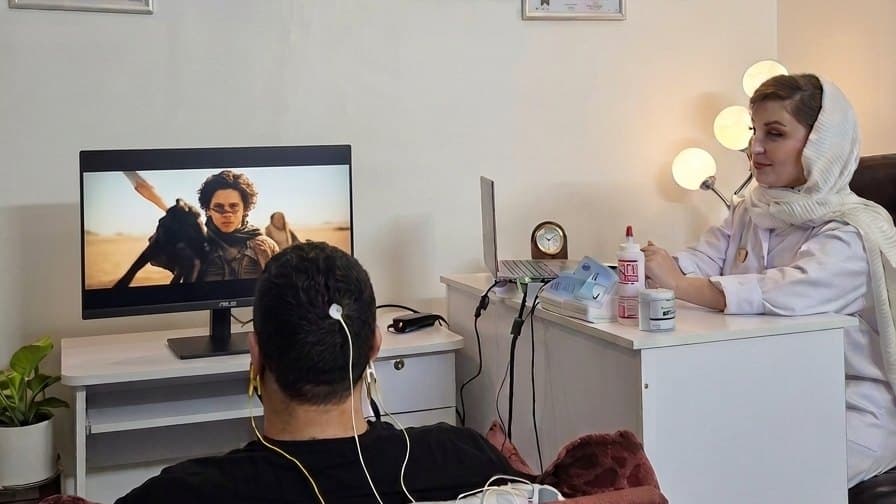
Neurotherapy is a group of non-invasive, drug-free approaches that aim to help the brain regulate its own activity. Through feedback and practice, the brain can learn more effective patterns, much like learning a new skill.
A Neurotherapy Pathway Has Four Stages
- Initial brain assessment: a conversation about your situation and goals, followed by QEEG recording.
- Data analysis: comparing the brain map with reference data and explaining the findings in plain language.
- Personalised pathway design: choosing the method, training target and session plan.
- Progress follow-up: reviewing changes at set intervals and adjusting the pathway.
Main Methods
Neuroxim uses three main methods: QEEG brain assessment to review activity patterns, neurofeedback to train the brain with real-time feedback, and LORETA neurofeedback for more precise targeting of brain networks. None is selected in isolation. Each has a specific place in a pathway that begins with assessment.
Realistic Limits
Neurotherapy complements medical and psychological care; it does not replace it. It is not suitable for everyone, and suitability can only be determined after assessment. If you have reached this page because of a specific concern—such as attention, sleep or stress—the appropriate starting point is a conversation and assessment.
This article is for educational purposes only. It does not replace an individual assessment, diagnosis or consultation.